Dental Crowns

Crowns

Do I Need a Crown?

One of the main focuses in my practice is the long-term preservation of tooth structure and overall oral health. However, when a significant portion of a tooth is missing either due to fracture, failed filling or decay, a crown is the best option. If we attempt to place a large filling when a crown is needed, this can lead to fracture of the tooth and even possibly a later extraction. A crown can protect the tooth from cracks and fractures better than a filling when a large amount of tooth structure is missing.

How are crowns made?

Traditionally, crowns are sent to a laboratory to be made by a technician. The patient wears a temporary crown for 2-3 weeks while the permanent crown is being made. The patient then returns again for a second visit to have the temporary crown removed and the permanent crown placed.

A Step Above the Rest

In our dental practice, experienced local dentist Dr. Spencer Hoyt has adapted world-class digital technology to fabricate extremely high-quality restorations on the same day. I have an in-house ceramics lab where I am able to fabricate restorations the same day for my patients.

Dr. Hoyt Fort Worth Dental

See How It's Made

Crowns video image
Video Transcript
Insurance

Let Us Handle The Hassel

Insurance benefits and policies can be confusing. To help, we have a dedicated insurance specialist available in person or by phone or text message to give you a simple and straightforward explanation of your coverage.

No insurance? No problem.

We are a self-pay friendly office. You’ll always know all costs ahead of time without any surprises and we’ll talk through payment options to find one that works the best for you.

*We also accept CareCredit.

Dr. Hoyt Fort Worth Dental

Frequently Asked Questions About Dental Crowns

What is a dental crown? What purpose does it serve?

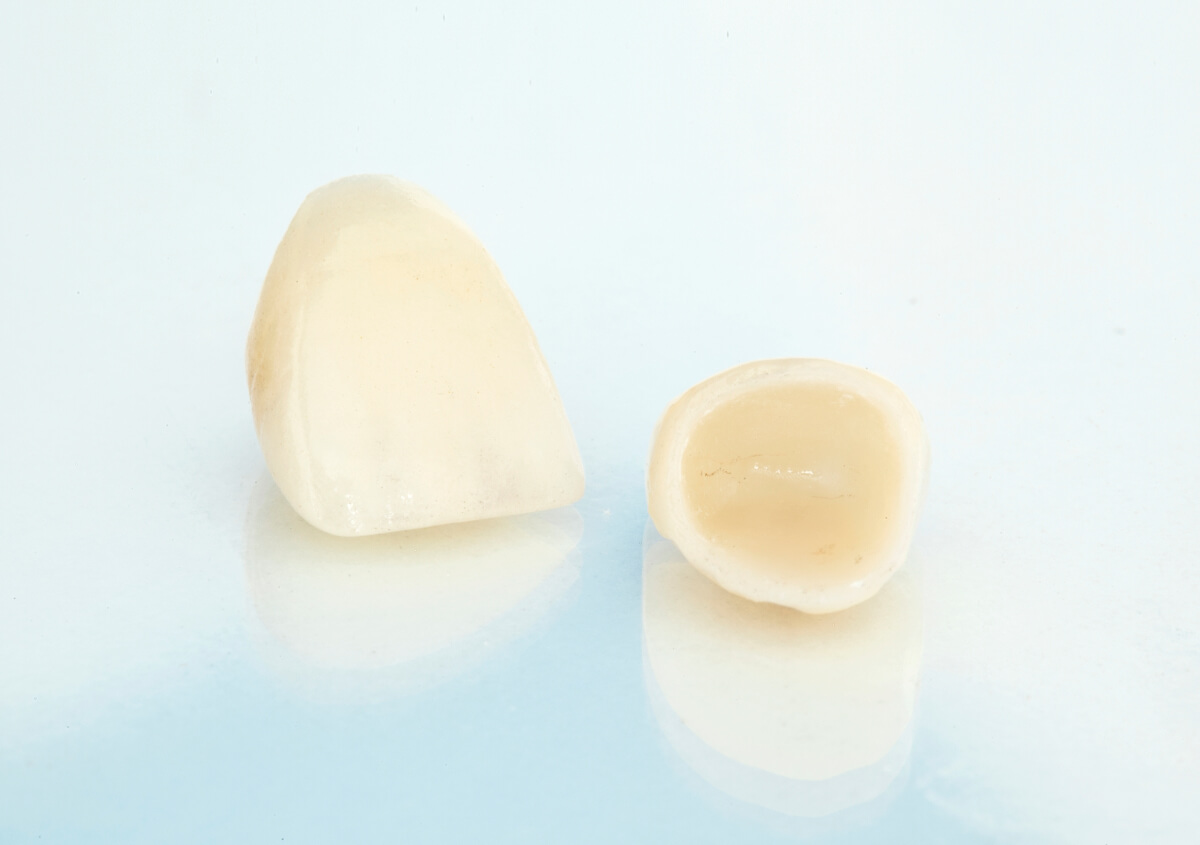
A dental crown is a custom-fitted cap that covers an entire tooth above the gumline. It is used to protect teeth that have been weakened by decay, cracks, or large fillings, while also restoring shape and function. Crowns can also improve the appearance of misshapen or heavily discolored teeth. Made from materials such as porcelain, ceramic, or metal blends, crowns act like a protective helmet, reinforcing the tooth so it can function normally again.

How long can a dental crown be expected to last?

Dental crowns commonly last 5-15 years, though many remain functional much longer with proper care. Longevity depends on the material used, daily oral hygiene habits, and how much pressure the crown is exposed to. Grinding teeth or chewing hard items can shorten its lifespan. Regular dental exams, good brushing and flossing habits, and avoiding excessive force on the crown can help extend its durability.

What happens during the dental crown process?

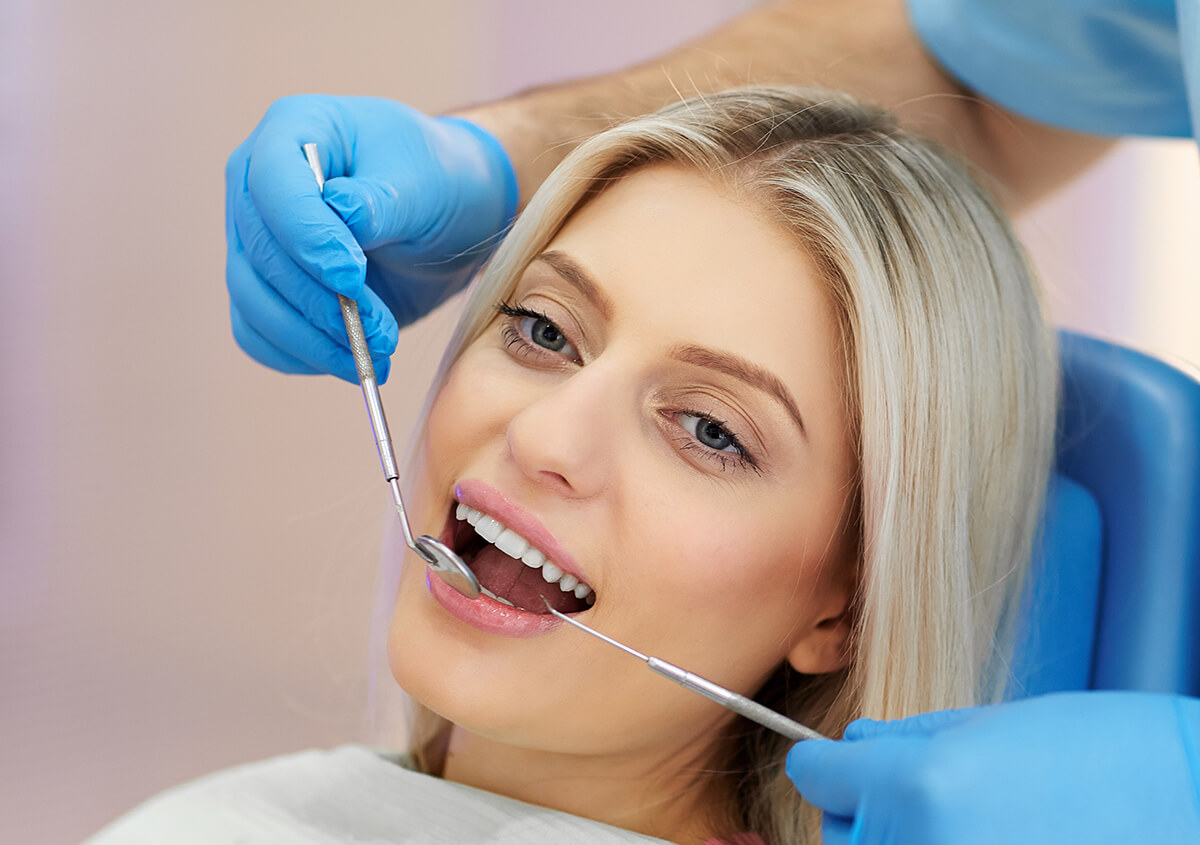
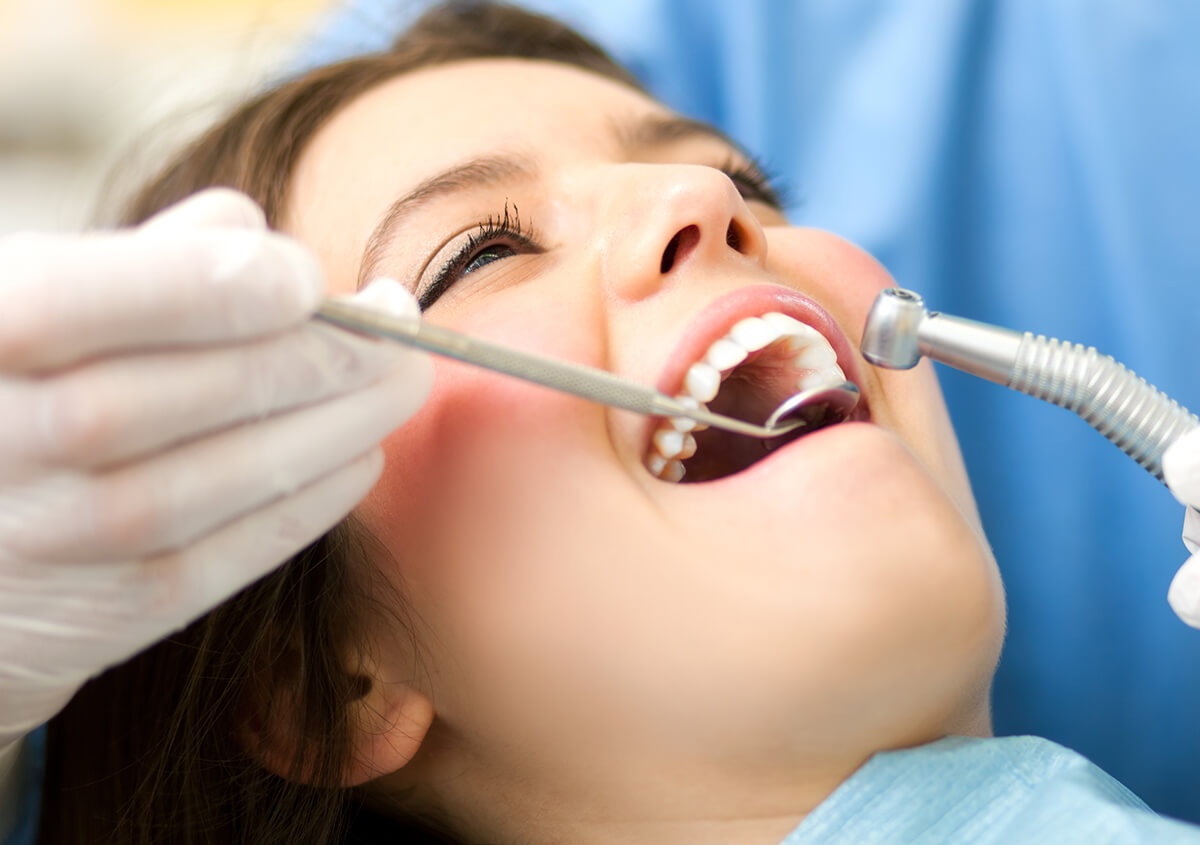
Getting a crown typically involves two visits. During the first appointment, the tooth is examined, prepared, and shaped so the crown can fit securely. Impressions are taken to ensure a precise, custom fit. A temporary crown may be placed while the final restoration is created. At the second visit, the permanent crown is carefully adjusted and bonded into place. The process is designed to be comfortable and highly accurate.

Are dental crowns associated with risks or complications?

Dental crowns have a strong success record, but some patients experience temporary sensitivity after placement, especially to temperature changes. Mild soreness around the gums may also occur. These effects usually resolve on their own. Choosing an experienced dentist helps minimize risks such as improper fit or bite issues. Allergic reactions are rare, and most concerns can be addressed quickly with follow-up care.

How should I take care of a tooth with a crown?

Caring for a crowned tooth is similar to caring for natural teeth. Brushing twice daily, flossing carefully around the crown, and using non-abrasive toothpaste help protect both the crown and surrounding gums. Regular dental cleanings allow the crown to be monitored for wear or loosening. If you notice discomfort, sensitivity, or changes in fit, contacting your dentist promptly is important.

Can a dental crown be fixed or replaced if something goes wrong?

Crowns may need repair or replacement if they become chipped, loose, or worn over time. Minor issues can sometimes be corrected without full replacement, depending on the damage. Addressing problems early helps prevent further tooth damage underneath the crown. Replacement is a routine procedure and can restore both function and comfort effectively.

What do dental crowns typically cost? Does insurance help?

The cost of a dental crown varies based on factors such as material choice, tooth location, and treatment complexity. Porcelain and ceramic options may cost more due to their natural appearance. Many dental insurance plans offer partial coverage for crowns when they are medically necessary. Patients are encouraged to review benefits and ask about financing options if needed.

Will my crown look natural with the rest of my teeth?

Modern crowns are designed to closely match natural teeth in color, shape, and translucency. Special attention is given to how the crown blends with the surrounding teeth so it does not stand out.

Is it normal for a crown to feel different at first?

It is common for a new crown to feel slightly unfamiliar during the first few days. The mouth typically adjusts quickly as the bite settles. If the crown feels high or uncomfortable after the adjustment period, a simple bite correction can resolve the issue and restore comfort.

Can crowns be used for both front and back teeth?

Yes, crowns are used for teeth throughout the mouth. Front teeth often receive porcelain or ceramic crowns for aesthetics, while back teeth may use materials chosen for strength and durability. The material selection depends on function, appearance goals, and bite forces.

Ready to Get Started?

Schedule an appointment today!

Woman Smiling candidly away
Dr. Spencer Hoyt

Dr. Spencer Hoyt earned his Doctor of Dental Surgery degree and subsequently followed with a residency and Advanced Education in Dentistry at the prestigious University of the Pacific School of Dentistry in San Francisco, CA. In 2011, he established Fort Worth Dental Arts with the goal of revolutionizing dental care, motivated by his dedication to delivering exceptional service to his community.

Dr. Hoyt actively participates in several professional organizations, including the American Dental Association, Texas Dental Association, American Academy of Cosmetic Dentistry, CEREC Doctors, and Spear Education. His commitment to excellence has been recognized with the "Best Dentist" award by Fort Worth Weekly in 2019, 2020, and 2021.

Patient Reviews


More Reviews